

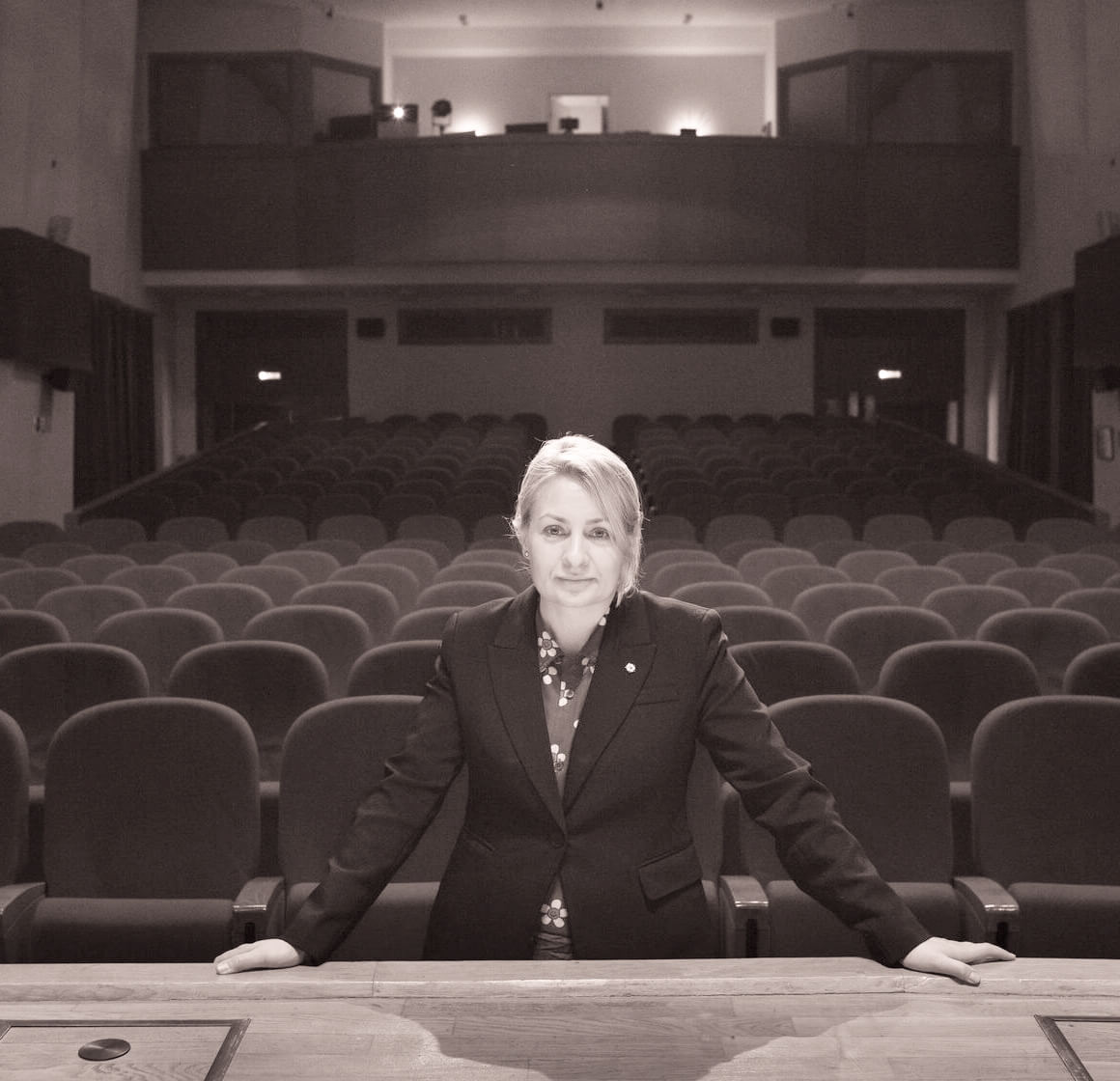
About
Today, my consulting practice sits alongside my academic work. I hold an MSc in Business Psychology from the Higher School of Economics and am currently completing a second MSc in Business, Occupational and Work Psychology at the University of Hertfordshire, where my research explores how line managers psychologically assimilate organisational change during AI-driven transformation.
Research helps me understand the patterns. Practice reminds me that every organisation is different. I need both.
I'm also an ICF-certified coach, a Gestalt practitioner, a Mental Health First Aider® (MHFAider®), and a member of the British Psychological Society's Division of Occupational Psychology.
Outside work, I'm raising two boys between British and Russian cultures. That's been its own education in identity, belonging, and what it means to find your footing while life is changing.
I'm in the middle of a real transition myself right now, rebuilding a life and a practice in a new country. I don't think that gives me any special insight into someone else's experience. But it does remind me, almost daily, that real change is rarely tidy or linear — and it usually asks more of us than we expected.
Whenever I can, I head for the woods. Walking slows my thinking just enough for things to become clearer.
That's what continues to interest me most: not change itself, but the people living through it.
For the past fifteen years, I've built and led my own organisation — a children's theatre studio that grew from a small idea into a real business, with staff, productions, budgets, and all the everyday realities of leading people.
One thing those years taught me has stayed with me ever since: people rarely resist change simply because they dislike it. More often, they're trying to protect something that matters to them.
One thing those years taught me has stayed with me ever since: people rarely resist change simply because they dislike it. More often, they're trying to protect something that matters to them.
Teaching leadership and communication at MGIMO University reinforced that understanding. The leaders who made the greatest difference weren't always the most charismatic or decisive. They were the ones who could stay grounded themselves while helping others navigate uncertainty.
A bit more about
how I got here.
If you're drawn to deeper,
grounded in Gestalt awareness practice
more personal 1:1 work —
Method
I help people find enough clarity to stay present and make good choices, even when a lot around them is changing. Most of my work is grounded in Gestalt psychology. It begins with something quite simple: none of us exists on our own. Whatever we're facing — a decision, a conflict, or a period of change — we're always responding to the people, relationships, and systems around us.
So I don’t come in with quick answers or personality labels. What I try to do is help people see more clearly what’s actually going on — in themselves, in their team, and in the system they’re part of. When you can see more clearly, you have more choice. And that’s usually where change begins.
A note on the Enneagram
I’ve spent a long time with the Enneagram, and I love it as a way of understanding what drives us and the habits we fall back on. I bring it in now and then, when it helps. But my work is primarily grounded in Gestalt psychology and current occupational psychology research.
What this looks like in practice
I pay attention to the person and to the world around them. To what someone says, and to what they leave unsaid. To the patterns that keep showing up when things get hard. To how a team really feels, underneath. To the moments where someone gets stuck and can’t quite name why.
It’s not about analysing people. It’s about making enough space and clarity that something different becomes possible — and helping people grow the capacity to hold it.
It’s not about analysing people. It’s about making enough space and clarity that something different becomes possible — and helping people grow the capacity to hold it.
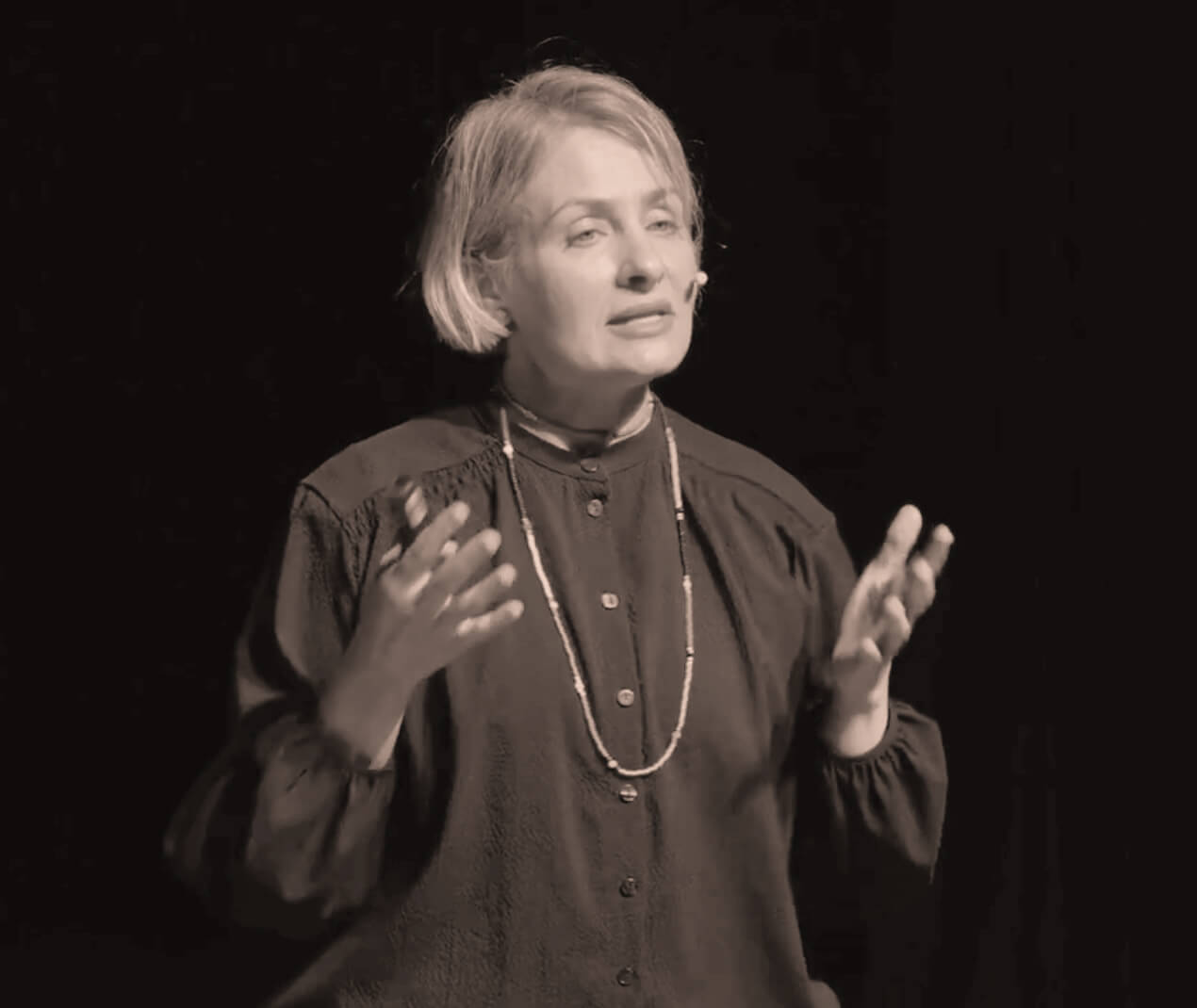

Sometimes it's designing workshops that help managers have better conversations, rather than simply communicate another update.
The format depends on the organisation.
The format depends on the organisation.

Sometimes it's about looking at whether people feel safe enough to speak openly when they're uncertain, confused, or concerned - and what happens when they don't.

It might mean helping leadership teams understand where resistance is coming from, and what people may actually be trying to protect.

That might involve working one-to-one with line managers as they develop the awareness and confidence to lead difficult conversations.
Consulting
I'm interested in what happens
Most change plans focus on the process.
to the people living through it.
Over the years, I've noticed that organisations usually invest a great deal of time in planning change. The timeline is clear. The milestones are defined. Communication plans are prepared. And yet, something often gets overlooked. The people expected to lead the change are rarely given the same attention.
Line managers are asked to steady their teams while they're still trying to make sense of the change themselves. They're expected to answer questions they don't yet have answers to, create confidence while living with uncertainty, and support others without much space to process their own experience. That's the gap I'm interested in.
Line managers are asked to steady their teams while they're still trying to make sense of the change themselves. They're expected to answer questions they don't yet have answers to, create confidence while living with uncertainty, and support others without much space to process their own experience. That's the gap I'm interested in.
My work is about helping organisations understand the human side of change - not as an afterthought, but as part of the change process itself.
Drawing on Gestalt organisational psychology and my current research into how people psychologically assimilate organisational change, I work with leaders and organisations to create the conditions in which people can genuinely engage with change, rather than simply comply with it.
Drawing on Gestalt organisational psychology and my current research into how people psychologically assimilate organisational change, I work with leaders and organisations to create the conditions in which people can genuinely engage with change, rather than simply comply with it.
The aim is always the same: helping people stay connected, think clearly, and move through change in a way they can sustain, and that works for the organisation too.
My perspective comes from both research and experience. Alongside my academic work, I've spent fifteen years leading an organisation through its own growth, uncertainty, and change. That combination matters to me. Research helps me ask better questions. Practice reminds me that every organisation has its own story.
This isn't therapy, and it isn't mentoring. And it certainly isn't about fixing you.
I don't believe people need someone to tell them who they should become. More often, they just need a moment to pause, recognise who they already are, hear their own thinking more clearly, and choose their next step with intention rather than reaction.
I don't believe people need someone to tell them who they should become. More often, they just need a moment to pause, recognise who they already are, hear their own thinking more clearly, and choose their next step with intention rather than reaction.
That's the kind of coaching I offer.
Stepping into a leadership role and want to grow into it thoughtfully.
Considering a career move and looking for clarity before making an important decision.
Returning to work after time away and rebuilding your confidence or sense of direction.
Noticing that an old way of working no longer fits, even if you don't yet know what comes next.
Recognising patterns — overworking, avoiding difficult conversations, or taking responsibility for everyone else — that are beginning to cost you more than they give.
Coaching with me may be helpful if you're:

As an ICF-certified coach, I bring the structure and accountability you'd expect from professional coaching. My Gestalt training brings another perspective: an attention to the patterns we repeat, the assumptions we rarely stop to question, and the moments when something important is beginning to emerge but hasn't yet found its words.
Above all, I pay attention to the quality of our conversation. In my experience, it's often through a different kind of conversation that people begin to see themselves, their situation, and their options more clearly.
Fifteen years of leading my own organisation have also taught me that leadership is rarely about certainty. More often, it's about staying present when certainty isn't available.
Above all, I pay attention to the quality of our conversation. In my experience, it's often through a different kind of conversation that people begin to see themselves, their situation, and their options more clearly.
Fifteen years of leading my own organisation have also taught me that leadership is rarely about certainty. More often, it's about staying present when certainty isn't available.
People usually come to coaching when something important is changing in their lives. Perhaps you're stepping into a new leadership role. Considering a career move. Returning to work after time away. Or facing a decision that doesn't seem to get any clearer, however long you've been thinking about it.
On the surface, these situations look different. Underneath, they often have something in common: they ask us to become someone we haven't quite learned to be yet.
That's where coaching can help. Not by giving you answers, but by making space for you to think more clearly, notice what's shaping your decisions, and move forward in a way that feels genuinely your own.
On the surface, these situations look different. Underneath, they often have something in common: they ask us to become someone we haven't quite learned to be yet.
That's where coaching can help. Not by giving you answers, but by making space for you to think more clearly, notice what's shaping your decisions, and move forward in a way that feels genuinely your own.
Coaching
For people going through
not just working through a to-do list.
a real transition —
Education & Credentials
MSc Business, Occupational and Work Psychology, University of Hertfordshire (in progress)
MSc Business Psychology, Higher School of Economics (HSE)
ICF Certified Coach
Gestalt Practitioner (738 hours of training)
Enneagram Practitioner, ICTA
Mental Health First Aider® (MHFAider®), MHFA England
Member, Association of Mental Health First Aiders
Subscriber Member, British Psychological Society, Division of Occupational Psychology
cookenatasha
LinkedIn:
natashcooke@gmail.com
Email:
You can also reach me directly:
Whether you're exploring coaching for yourself or looking for support with organisational change, I'd be glad to learn more about what you're navigating.